

25 April 2015. 11:56 a.m.
A magnitude 7.8 earthquake struck Nepal. The epicentre was near the village of Barpak in Gorkha District, approximately 80 kilometres northwest of Kathmandu and a similar distance northeast of Pokhara.
Some dates become part of a country’s history.
For Nepal, 25 April 2015 is one of them.
I was at our Paddle Nepal operations office in Lakeside Center with four-year-old Kailash when the earthquake struck.
At first, it was just a low rumble.
Then the building began to sway.
Within seconds, people were running into the streets, screaming. The ground rolled beneath our feet like waves on water, rising and falling, shifting back and forth in a way I had never imagined possible. Time seemed to slow. It felt as though the shaking would never end.
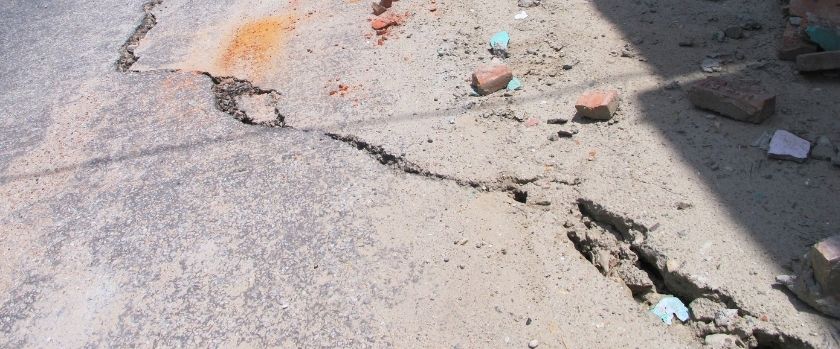
Our newly completed office building withstood the earthquake remarkably well. A few windows in the Lakeside Center complex shattered, and cracks appeared in the concrete, but thankfully the building remained standing and structurally sound. Nearby, other buildings were not so fortunate. Around us was confusion, fear, and the sound of people calling out for family and friends.
The hardest part wasn’t the shaking.
It was not knowing where Nim was.
The mobile networks were overloaded as everyone tried to reach loved ones at once. Every failed phone call brought another wave of worry. When the shaking finally stopped and Nim appeared, safely making his way back to us, the relief was overwhelming.
Our attention quickly shifted from ourselves to everyone else.
Together with several of our guides, office team, neighbours, friends, and the other businesses in Lakeside Center, we gathered in a large open field behind the building. It felt like the safest place to be as aftershocks continued to shake the ground beneath us.
While I focused on Kailash and gathering our family together, Nim began the essential task of making sure every Paddle Nepal guide and every guest in the field was safe.
One by one, the messages began to come through.
Every guide.
Every guest.
Everyone was safe.
One story still makes me smile.
Nim’s youngest brother, Som, had been travelling home by bus from our village, much closer to the epicentre. When we finally reached him, he told us he hadn’t even realised there had been an earthquake. The road had been so rough that the shaking simply felt like another bumpy journey home!
Only later did we understand just how fortunate we had been.
As news slowly reached Pokhara from Gorkha, Kathmandu, and villages much closer to the epicentre, it became clear that what we had experienced was only a fraction of the devastation unfolding across Nepal. With every phone call and every news report, the scale of the tragedy became more apparent. Homes had collapsed. Historic temples lay in ruins. Entire communities had lost everything.
What felt genuinely terrifying to us was almost nothing compared to what so many others were enduring.
As evening approached, we stocked up on essential supplies, charged every phone and power bank we could find, and prepared ourselves for what we feared would come next: continued aftershocks—and the possibility of another major earthquake.
We tried sleeping at home that night.
It didn’t last.
The tremors continued through the darkness, each one sending us rushing outside once again. By morning, like thousands of others across Nepal, we had moved into temporary shelters in a nearby open field, uncertain how long we would be living there.
Through it all, Kailash seemed remarkably calm and his usual joyful self.
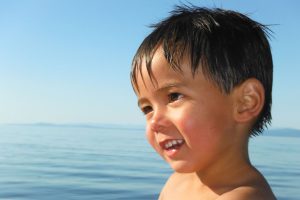 To him, it was just another adventure.
The next morning, after another gentle tremor passed beneath us, he looked up at me with complete innocence and asked,
“Mummy, when will Mother Nature dance again?”
He wasn’t frightened.
I wished I could have seen the world through his eyes.
(To be continued…)
Next week: When the rivers fell silent, Paddle Nepal found a different purpose. Our entire team quickly became relief workers, and the journey of #StillPaddling truly began.
— Kelly Maya Magar
This reflection is part of Paddle Nepal’s 20-year journey on Nepal’s rivers.